Second-hand furniture: condition, information and cleaning
Condition and traceable information make second-hand furniture easier to assess. Cleaning cannot repair every defect or resolve an unknown product history.
Inspect before arranging transport
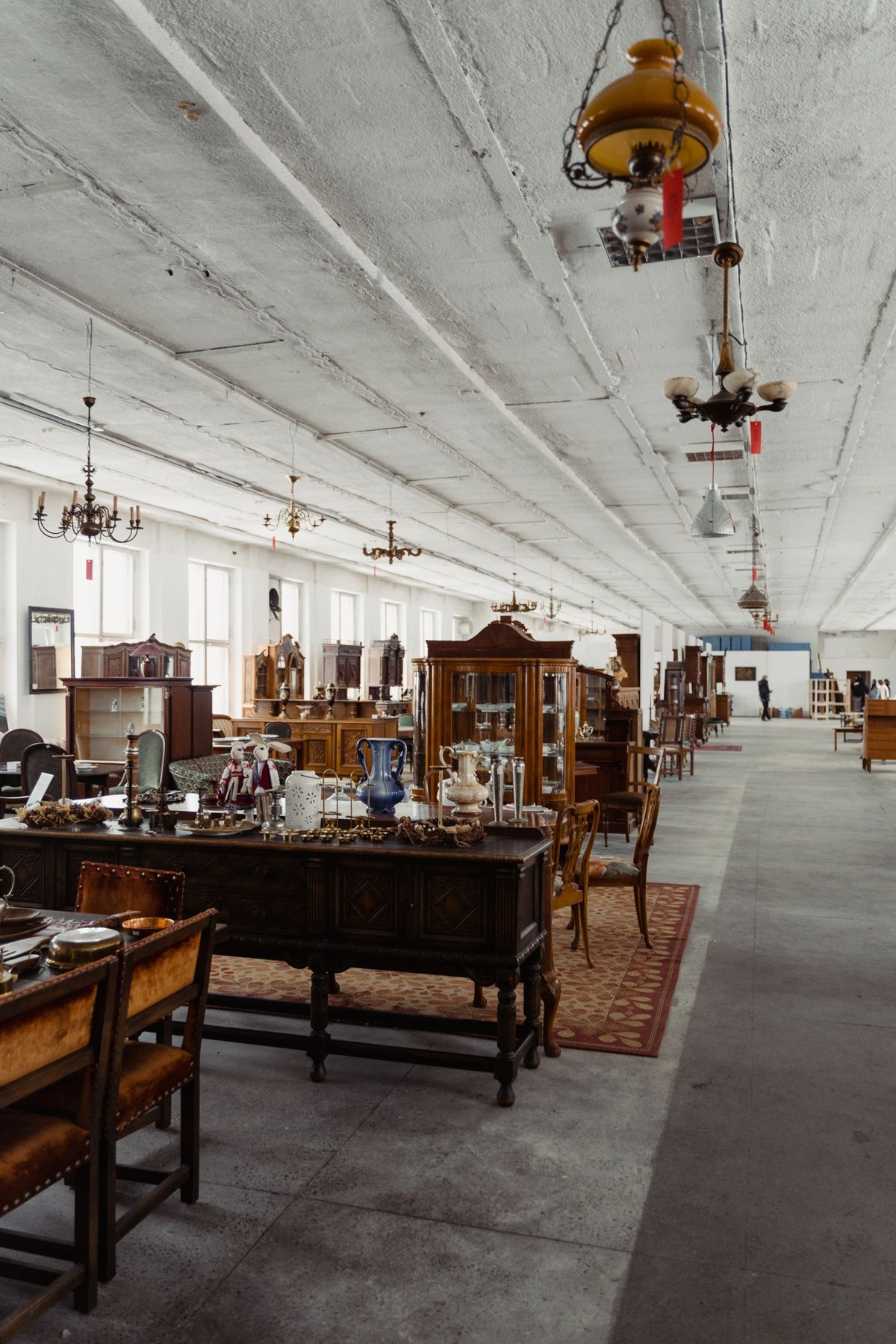
Ask for clear photographs of joints, underside, labels and any damage. Check whether the item rocks, has loose structural parts or is missing fittings. For upholstered furniture, ask about storage conditions, staining and pest history without assuming a clean-looking photograph answers those questions.
Identify the manufacturer and model where possible and check relevant recall information. A recalled product should not be treated as a bargain because it is used. For furniture requiring wall attachment, obtain the instructions and the correct installation advice. Missing anti-tip components are not merely cosmetic omissions.
Separate cleaning from restoration
Ask what finish or upholstery is present before selecting a cleaner. A solvent suitable for one hard surface may damage a lacquer, veneer or fabric backing. Try only the care methods supported for the material and seek specialist advice where the construction is uncertain. Do not saturate upholstery and then close it in a room where it cannot dry.
Avoid sanding old paint or stripping an unknown finish as an automatic first step. Older coatings and surrounding building materials can require assessment. A dust mask and a household vacuum are not a universal renovation-control plan. If restoration is substantial, include professional work in the cost comparison.
Persistent damp, structural damage or suspected pests may make the item unsuitable for bringing home. An attractive shape does not oblige you to rescue it. If the seller cannot provide enough information, declining the purchase can be more economical than trying several treatments after delivery.
Check whether it fits your home
Measure doors, stairs and the final space as well as the item. Consider weight and safe handling; disassembly should follow the product design, not force glued joints apart. Keep the walking route clear and arrange help appropriate to the size of the piece.
Once installed, retain any labels and a record of the purchase. Follow the cleaning and maintenance routine for the actual finish. Second-hand status is not itself proof of low emissions or a guarantee that all earlier odours have disappeared. Judge the item by its condition, information and suitability for your household rather than by a general claim that older furniture is always better.