Choosing an air cleaner for room size and filter information
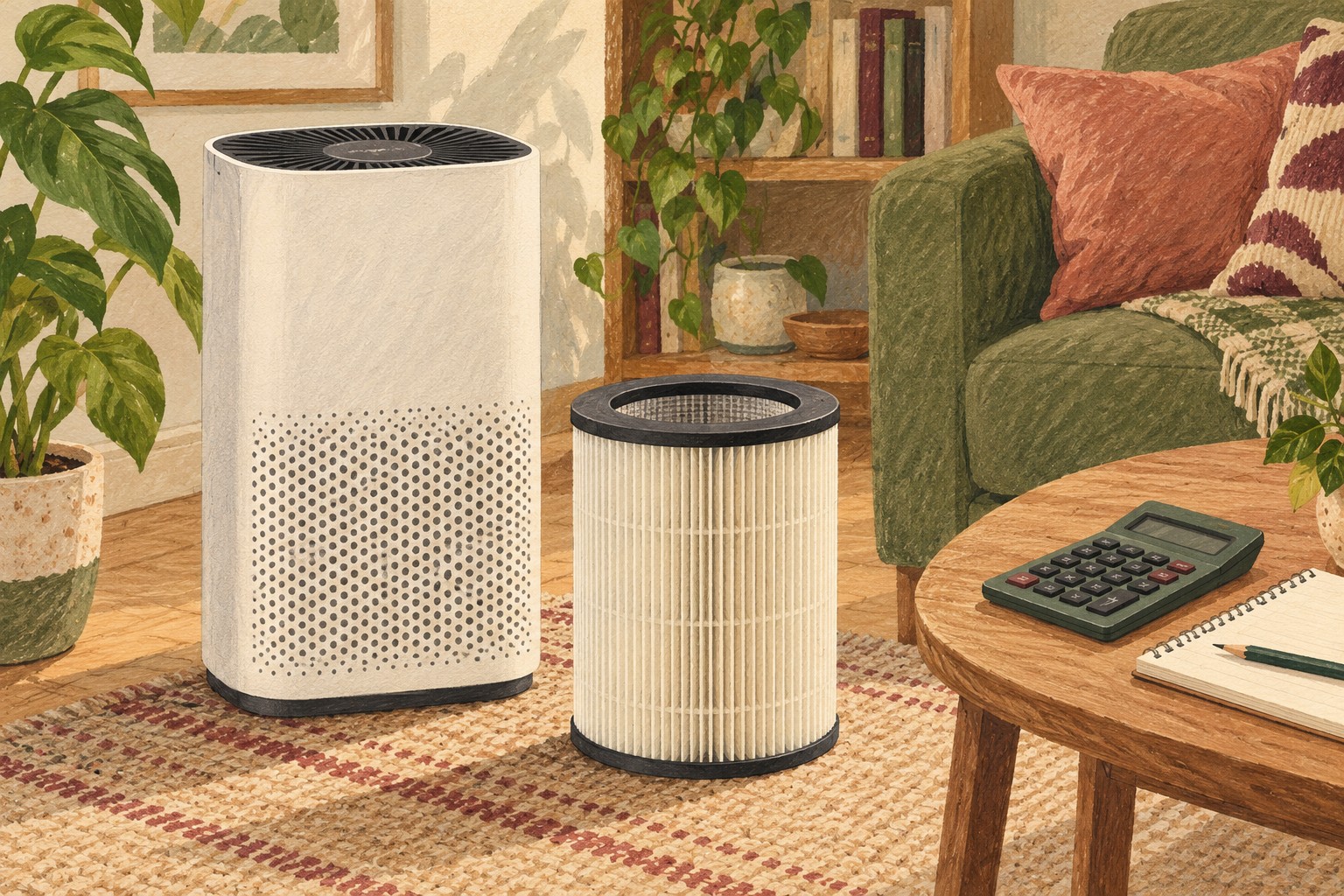
Choose a portable air cleaner for the room and the pollutant type you want to address. A filter label alone does not describe the performance of the whole machine.
Measure the space it will serve
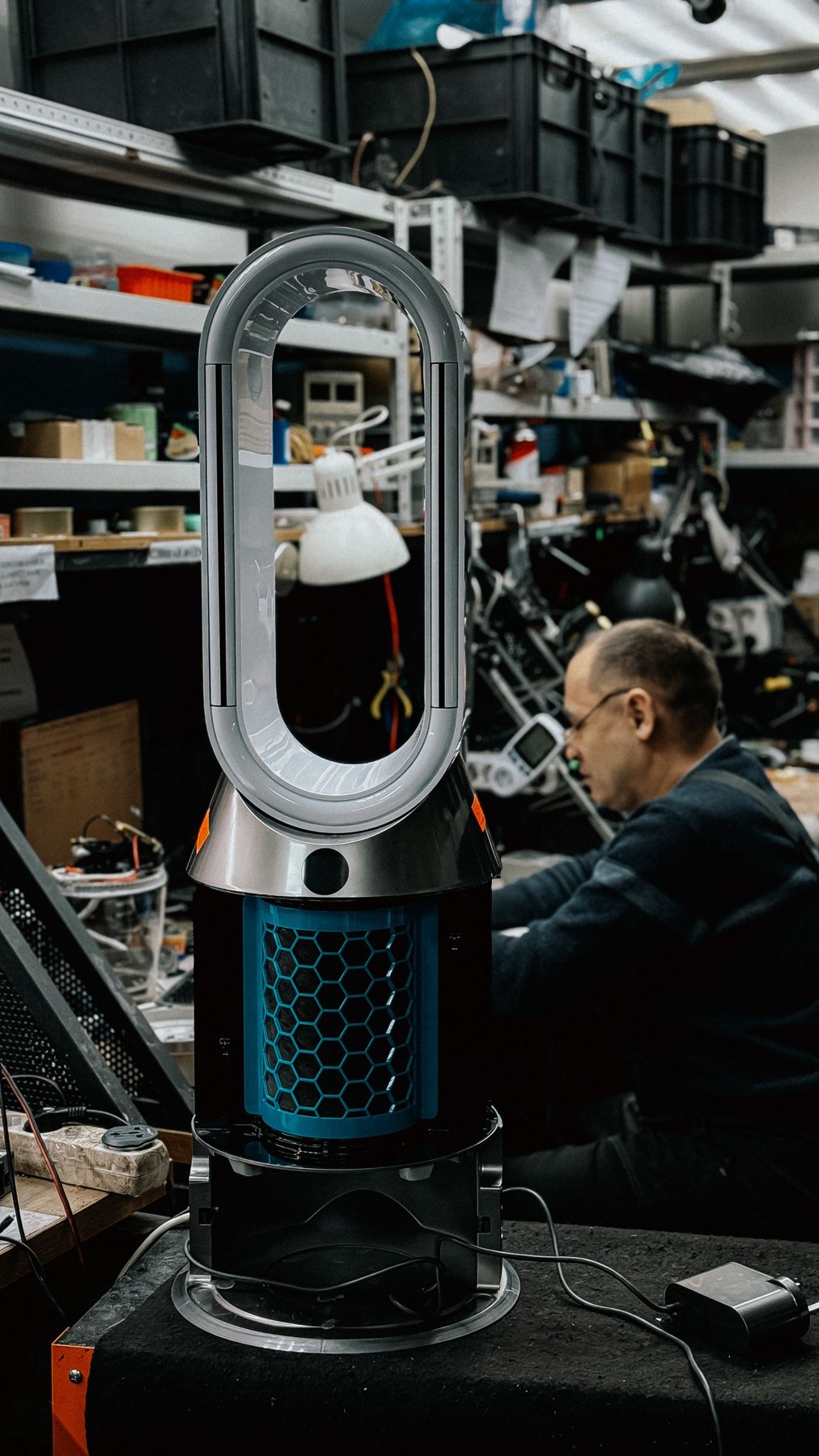
Measure the room's length and width and note its ceiling height. An open-plan area connected to a hallway is not necessarily equivalent to a closed bedroom of the same floor area. Compare the manufacturer's sizing method and assumptions, including any stated air-change rate. Two advertised room-size figures may be based on different assumptions.
Clean air delivery rate, or CADR, is a particle-performance measure used for many portable cleaners. EPA advises choosing an adequate CADR for the area. Keep units consistent when comparing products: cubic feet per minute and cubic metres per hour are not the same numerical scale. Do not choose by the largest-looking number without checking the units.
Match the filter to the claim
HEPA refers to particle filtration, not complete removal of all indoor pollutants. A gas-removal claim needs an appropriate medium and supporting information about the gases concerned. A thin carbon sheet and a substantial gas-filter stage may not have the same capacity, and particle CADR is not a gas-removal rating.
Look for information about the complete device, not just a piece of filter material. Air must pass through the filter rather than around it. Check whether replacement filters are available for the exact model and whether the machine can be operated without optional features you do not want.
Avoid devices intended to produce ozone in occupied spaces. For features such as ionisation, ask what is being claimed and what emissions information is available. A dramatic name for a technology does not establish a useful improvement in the room where you will put it.
Choose a setting you will actually use
Compare noise and performance at the same fan setting where possible. A maximum-speed CADR beside a minimum-speed noise figure can create an unrealistic impression of everyday operation. If the cleaner will run in a bedroom, consider indicator lights and whether the desired fan speed remains tolerable overnight.
Check placement clearances, cable reach and access for filter changes. Do not plan to conceal the machine inside a cabinet unless it is designed for that installation. A useful location should allow airflow without putting a cable across a walking route. Weight and handle design matter if the unit will move between rooms.
Price the whole ownership period
Add replacement-filter costs and availability to the purchase price. Identify which components may be vacuumed or washed and which must be replaced. Washing a non-washable particle filter can damage it even when it appears cleaner afterwards. A filter indicator may reflect time or use rather than a direct measurement of every pollutant.
A portable cleaner supplements source control and suitable ventilation. It does not repair damp, replace a carbon-monoxide alarm or prove that a room is free of hazardous substances. Keep the intended role narrow enough that you can judge whether the product's specifications answer it.