Reed diffusers: placement, spills and label warnings
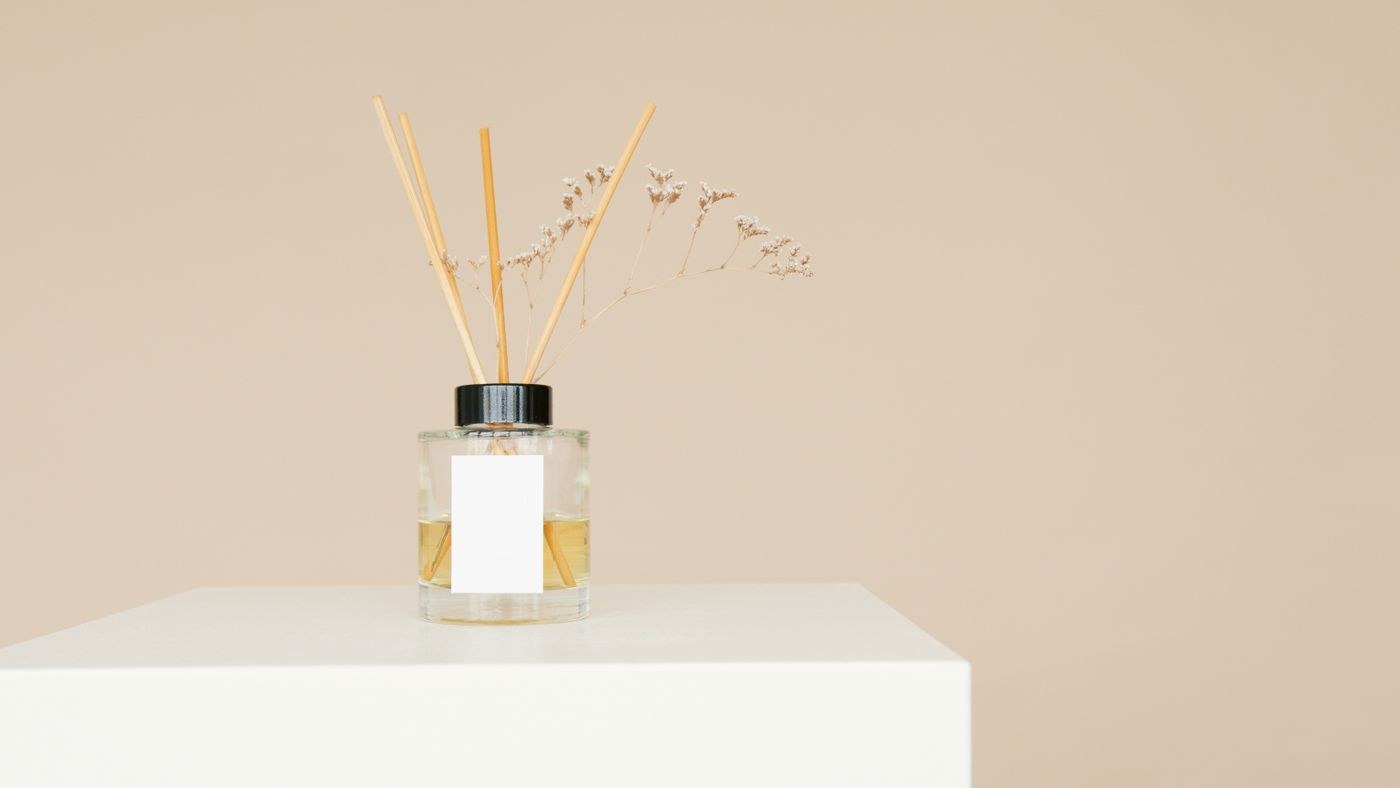
A reed diffuser is an open container of fragranced liquid. Its decorative appearance should not hide the placement, spill and handling information on the label.
Read before removing the stopper
Check the warning and precautionary statements for the particular liquid. Formulations differ, so do not borrow instructions from another diffuser. Look for advice about skin and eye contact, flammability, children, pets and disposal. Keep the outer packaging if the bottle does not retain all of that information.
The absence of a flame does not mean there are no handling precautions. A narrow-necked bottle can still spill, and a scented oil is not necessarily intended for skin use. Do not use diffuser liquid in a cosmetic, humidifier or electrical device unless that exact use is explicitly supported.
Choose the location deliberately
Use a stable surface where the bottle cannot be knocked by a sleeve, bag or pet. Keep it away from food preparation and from places where a child could reach it. Follow the maker's advice about protecting furniture finishes; a decorative tray should be compatible with the liquid and should not create false confidence about spill control.
Avoid placing the diffuser beside heat or ignition sources if the label warns against them. Do not balance it on a narrow window ledge merely to increase airflow. Consider whether fragrance is wanted in that shared space at all, particularly in bedrooms and small rooms.
If the instructions call for turning reeds, follow the handling advice and avoid drips. Do not add extra liquid, water or another fragrance to change the strength unless the maker permits it. Mixing products can change the intended formulation and leaves the original label less useful.
Deal with spills using the actual label
Keep people away from the spill and follow the product's cleanup and exposure instructions. Do not assume that wiping with a dry tissue is sufficient for every surface. For eye contact, ingestion or significant symptoms, seek urgent advice appropriate to the exposure and show the product information. Do not induce vomiting or improvise a remedy.
When the diffuser is finished, use the stated disposal route and local waste guidance. A bottle that held fragrance should not be repurposed for food. If you no longer want the scent, stop using it rather than masking it with another product. An unscented room is a valid choice, not a missing household accessory.