Candles, incense and room fragrance: deciding what to use
Room fragrance is optional. Decide whether you want light, scent or neither, then consider the product's emissions, flame and handling instructions separately.
Separate atmosphere from air cleaning
A candle, incense stick or fragranced spray can change how a room smells without removing the source of an unwanted odour. If the concern is damp, cooking residue or a spill, address that cause. Adding another scent may make it harder to notice whether the original problem remains.
Natural wax, botanical fragrance and essential oil are descriptions of ingredients or sourcing, not guarantees that a product is suitable for every person. Respect household members who prefer to avoid fragrance. A small amount that one person barely notices may still be unwelcome to another; there is no need to prove a medical diagnosis to choose an unscented room.
A flame adds a separate set of responsibilities
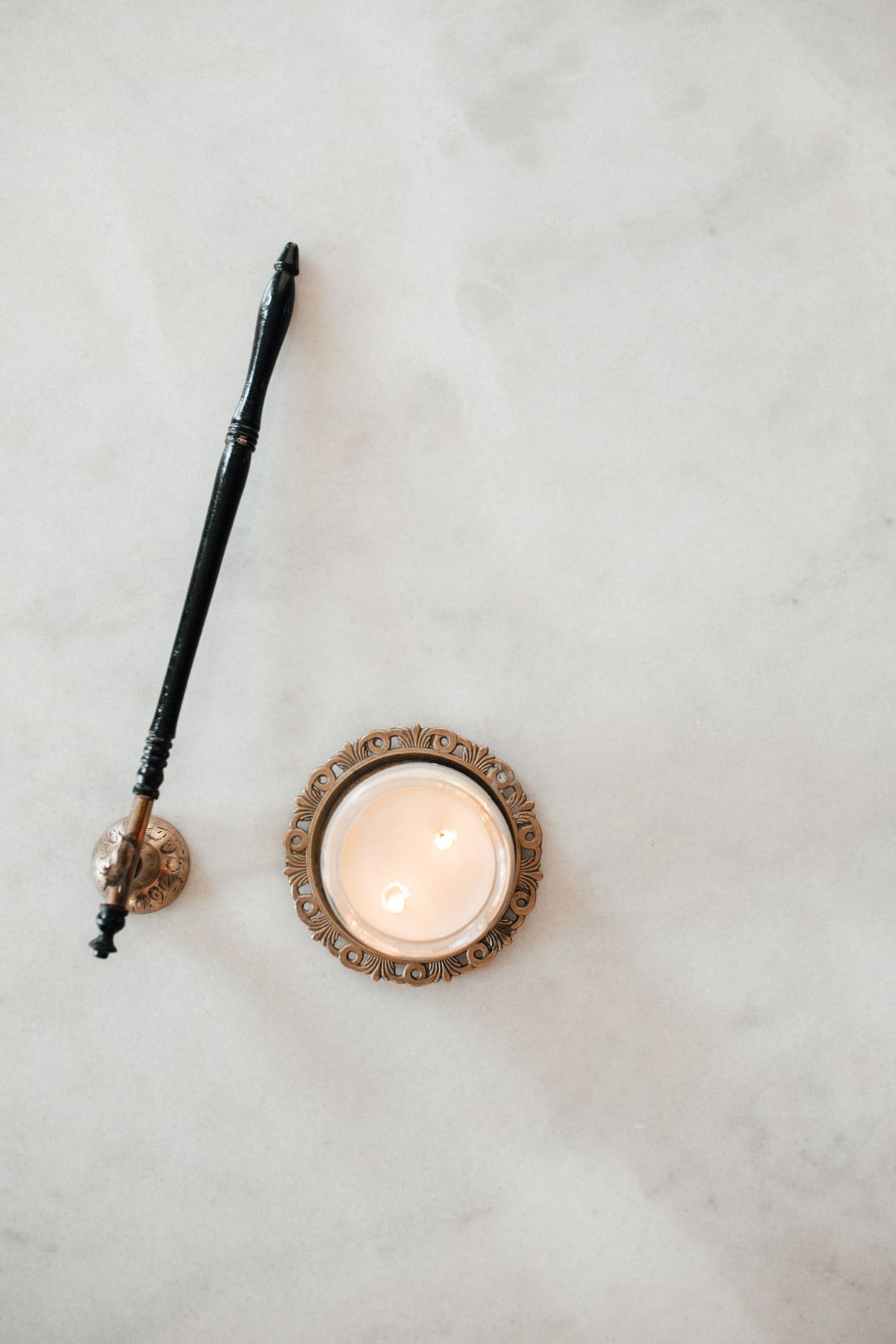
Use candles only in an appropriate stable holder on a suitable surface, away from curtains, paper and other combustible materials. Never leave a burning candle unattended or burn it while sleeping. Follow the product's spacing, wick and burn-duration instructions. A container that once held a candle is not automatically suitable for refilling with another wax or wick arrangement.
Incense also needs a stable holder and a place where hot ash cannot fall onto a combustible surface. Keep burning products away from children and pets. An open window should not create a draught that pushes a flame towards nearby material. Ventilation does not remove the need for fire precautions.
A battery-operated candle can provide a light effect without an open flame, but its battery compartment and disposal still require care. Choose the feature you actually want rather than assuming fragrance must accompany decorative light.
Use less complexity when preferences differ
For a shared home, agree where fragrance is used and where it is avoided. Do not surprise someone with a diffuser in a bedroom they use. If a product causes discomfort, stop using it and seek appropriate advice for persistent or significant symptoms; do not attempt to acclimatise the person by continuing exposure.
Keep original packaging and warnings until the product is finished. Store refills and oils as labelled, and do not mix them with other products. The decision can be as simple as leaving the room unscented and using lighting or other decoration instead. A household does not need a fragrance product to be considered clean.