Insulated mugs: temperature claims and lid care
A mug's headline heat-retention time tells you less about daily use than the lid design, drink restrictions and cleaning instructions.
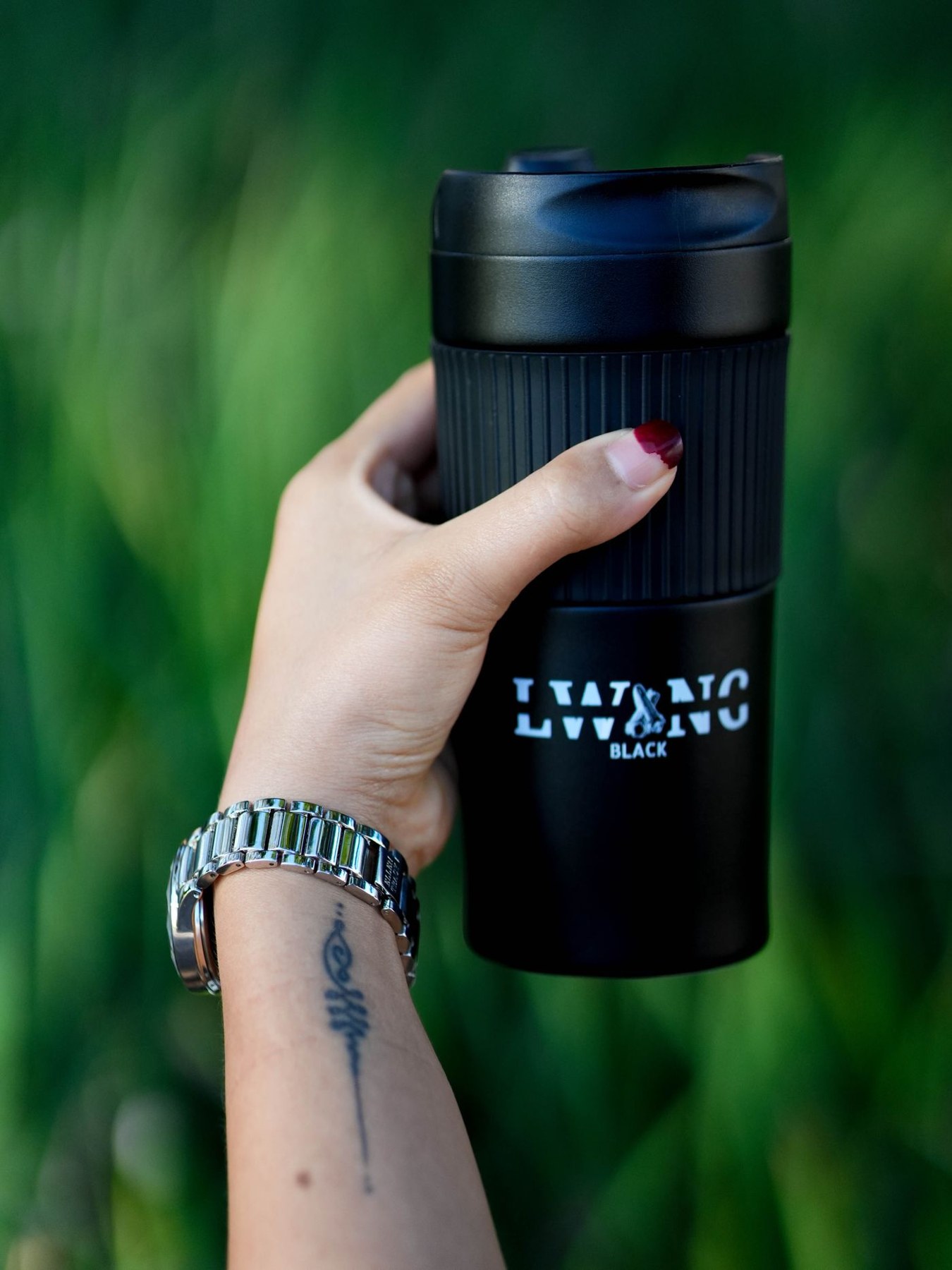
Read the conditions behind the hours
A claim that a mug keeps drinks hot for a stated number of hours should be read with its test conditions. Starting temperature, fill level, room temperature and opening the lid can affect the result. If the product page gives only a headline number, do not translate it into a promise that your half-filled mug will perform identically during a commute.
Decide whether you want to sip soon or keep a drink warm for later. Very effective insulation can also keep a drink too hot to drink comfortably. Open and sip with care, following the maker's advice. Never use the outside temperature of an insulated mug as a reliable indication of the liquid inside.
Choose the closure for the journey
A press-in splash lid and a secured leakproof lid serve different situations. If the mug will go into a bag, check the exact leak claim and whether it requires a locking step. A drinking opening left uncovered may be acceptable on a desk but not beside a laptop in a backpack.
Make sure the lid is intended for hot liquids. Do not assume a bottle's straw cap is suitable just because it fits the same mouth. Manufacturer ranges can include cold-only and hot-drink closures. Also check restrictions on fizzy drinks and whether the mug may be used with its handle or strap while full.
Measure the base against the cup holder and consider whether the mug can stand securely on your desk. A tall, narrow shape that looks convenient may be awkward when opening the lid one-handed. These physical details are often more important than a small difference in advertised capacity.
Make maintenance part of the choice
Look for instructions showing which lid parts come apart. Coffee can leave residue in sliding mechanisms and under seals, so a rinse through the drinking opening may not reach everything. Wash and dry the permitted components separately, and check that replacement lids or gaskets are available.
Do not microwave a metal insulated mug, and do not put it in a dishwasher unless the exact product is approved for that treatment. Damage to a closure or unexplained loss of insulation warrants a question to the manufacturer. Keep the model details with the care information so a later replacement part does not silently change how the mug can be used.