Stainless steel food boxes: what to check before buying
A steel lunch box is a collection of parts. The body, lid, seal and catches all affect whether it suits the meals you actually carry.

Start with lunch, not the metal grade
List three meals you expect to pack. A sandwich needs different space from a portion of rice with sauce, and a divided box may keep foods apart without keeping liquids in separate compartments. Measure the shelf, bag and portion you already use before choosing capacity. Advertised litres describe volume, not the shape of the usable space.
Ask whether the manufacturer describes the whole box as suitable for food contact and identifies any restrictions. A stainless steel grade can tell you something about composition, but it cannot describe the construction, lid fit or cleaning access. If you have a diagnosed metal allergy, ask your clinician which material information is relevant rather than choosing by a generic stainless steel claim.
Compare two hypothetical lunch arrangements. A single large steel compartment may work well for a sandwich and whole fruit but be awkward for soup plus crackers. A divided box may organise a dry lunch yet still allow liquid to move over the divider when tilted. Write down whether separation means keeping shapes apart or containing liquid; those are different requirements that a product photograph can conceal.
Test the closure on its own terms
Look for a clear distinction between a tight-fitting lid, a spill-resistant closure and a leakproof claim. Check whether the claim applies with the box upright or in any orientation. A small removable sauce pot may be a better arrangement than assuming the main divider stops dressing reaching the sandwich.
A removable gasket is useful only if the instructions explain how to remove and refit it. Check whether replacement seals or lids can be purchased separately. Catches should be manageable with your hands and should not require bending the body. For a child or someone with limited grip, the opening mechanism deserves as much attention as capacity.
Check capacity with the lid in place, because an inset lid or internal tray can reduce usable depth. If lunch is packed the night before, consider whether the container fits the refrigerator shelf without stacking precariously. If it goes in a backpack, compare the external dimensions with the bag opening rather than only the space inside the bag. A box that fits the bag but cannot be lifted out level may turn a minor closure limitation into a daily nuisance.
Check an unfamiliar closure before the first commute
Before taking a new box out, follow its first-use cleaning directions and check the closure with cool water over a sink if the manufacturer permits this. That is a check for obvious leaks, not a test of chemical safety or long-term durability.
Plan heating and washing separately
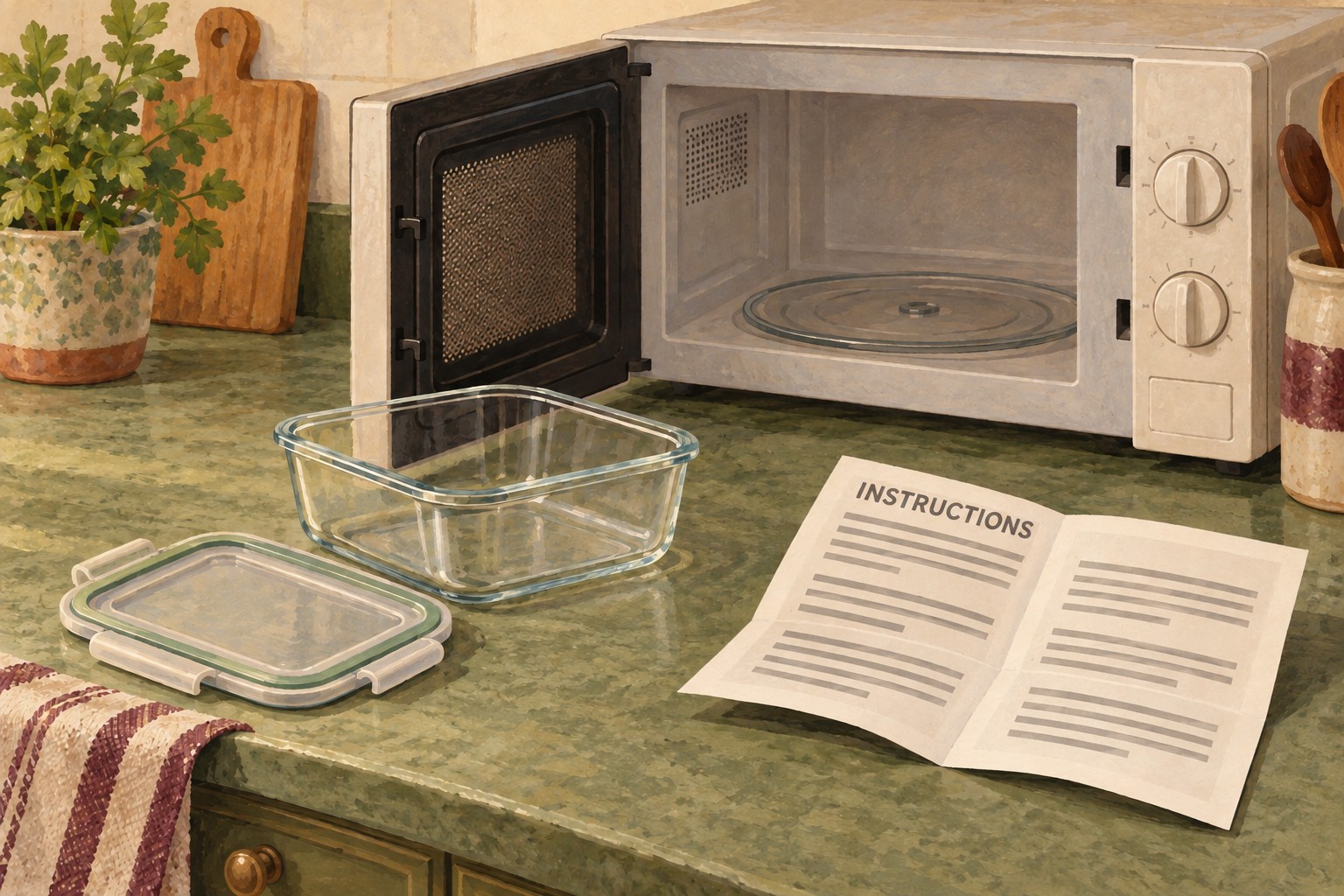
An ordinary steel lunch box should not go into a microwave. Transfer food to a suitable dish unless both the container and appliance instructions explicitly support the exact metal product. Some specially designed products exist; their permission does not extend to other steel boxes. A food-storage claim also does not establish oven suitability.
Read washing directions for every part. A dishwasher-safe body may come with a hand-wash-only lid, and trapped water beneath a seal needs time to dry. Avoid purchasing a complicated closure if you cannot comfortably clean its grooves. Finally, remember that a plain steel box is not refrigeration: foods that require chilling still need an appropriate cold-storage plan during transport.
A useful pre-purchase message asks whether the box is intended for acidic or salty foods over your expected storage period, whether its lid shares the body's cleaning permissions and which parts can be replaced. Do not assume a steel grade answers those questions. Keep the response with the model details so a later lid replacement can be checked against the same requirements.