Choosing a lunch bag that can be cleaned
An insulated lunch bag should accommodate cold sources and be easy to empty, wipe or wash. Insulation by itself does not keep perishable food cold indefinitely.
Pack a realistic lunch before choosing size
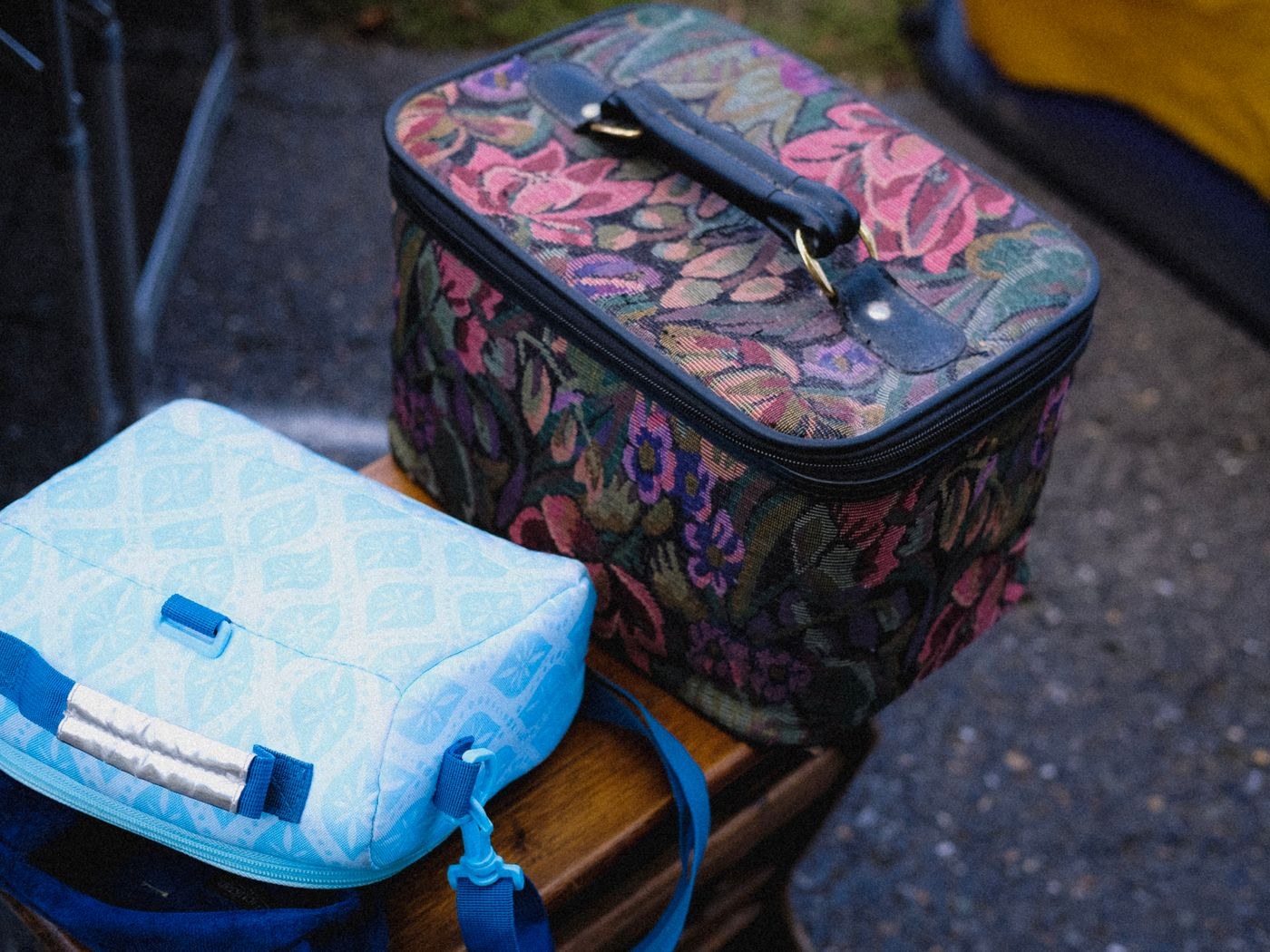
Measure your containers together with the cold packs you expect to use. A bag that fits a lunch box tightly may leave no room for the chilling arrangement. Check the opening: a wide zip can make it easier to remove containers without tipping them, while a narrow top can hide spills in the lower corners.
USDA packed-lunch guidance recommends using cold sources with perishable foods and keeping them chilled during transport and storage. Follow local food-safety guidance for your meals and journey. A product's insulated label is not a guarantee that any food can remain in it all day without a cold source.
Read the lining and care details
Look for a lining that can be reached and inspected. Seams, pockets and a stiff base may trap crumbs or liquid. Ask whether the whole bag may be washed, whether a removable liner has separate directions and how it should be dried. Wipe-clean and machine-washable are different promises.
Consider the foods you commonly carry. A bag used for yoghurt or a leaking sauce container may need more cleaning access than one used only around a dry bread box. A fabric outer layer may look clean while the hidden lining remains damp. Avoid choosing a bag whose care instructions require equipment or drying space you do not have.
Check whether the handle and zip are comfortable with the bag full. A bag that cannot close around the packed contents may not work as intended. Do not rely on squeezing the zip shut over a projecting cold pack; choose dimensions that allow a normal closure.
Empty it when you get home
Remove containers, wrappers and cold sources promptly. Clean spills using the permitted method, including corners and the base. Leave the bag open to dry fully before storing. Do not use a strong fragrance to disguise a persistent smell or a spray that is not intended for the lining.
Inspect for torn insulation, inaccessible residue and a damaged zip. Ask the maker whether a liner or component can be replaced. Keep food-safety decisions separate from the bag's appearance: food left outside appropriate temperature control is not made safe by putting it back into a clean bag later. A usable lunch routine includes the destination fridge or other suitable storage, not just the journey.