Travel toiletries: containers, labels and cleaning
Travel containers need to preserve product identity and work with the contents. A small bottle is not suitable for every toiletry.
Consider the original travel size
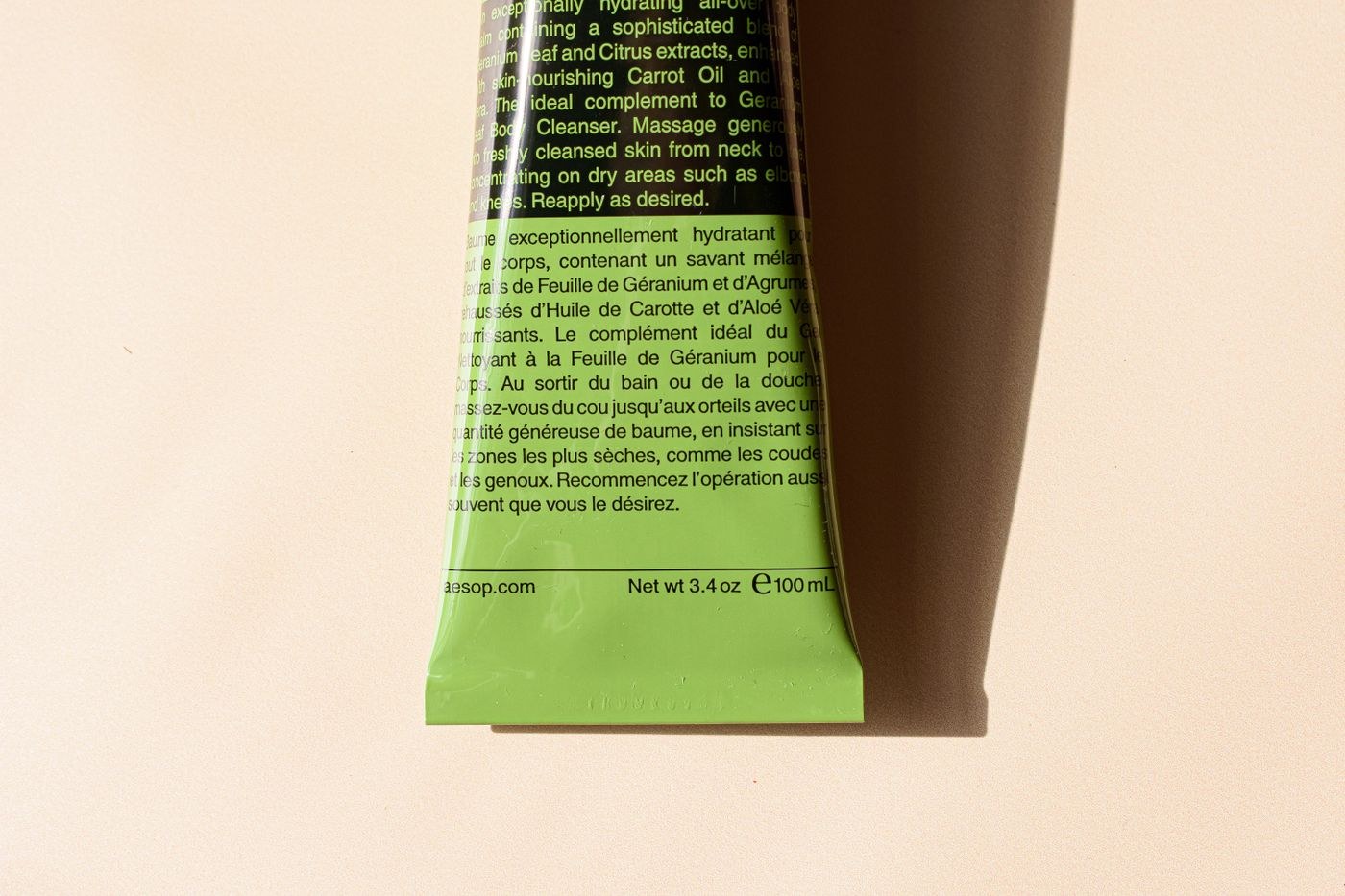
A small manufacturer-supplied pack can be useful when a product has detailed warnings, a special dispenser or storage requirements. The convenience is not just the size: the product remains with its intended packaging and label. This can matter for sunscreen, eye-area cosmetics and products that are difficult to identify once decanted.
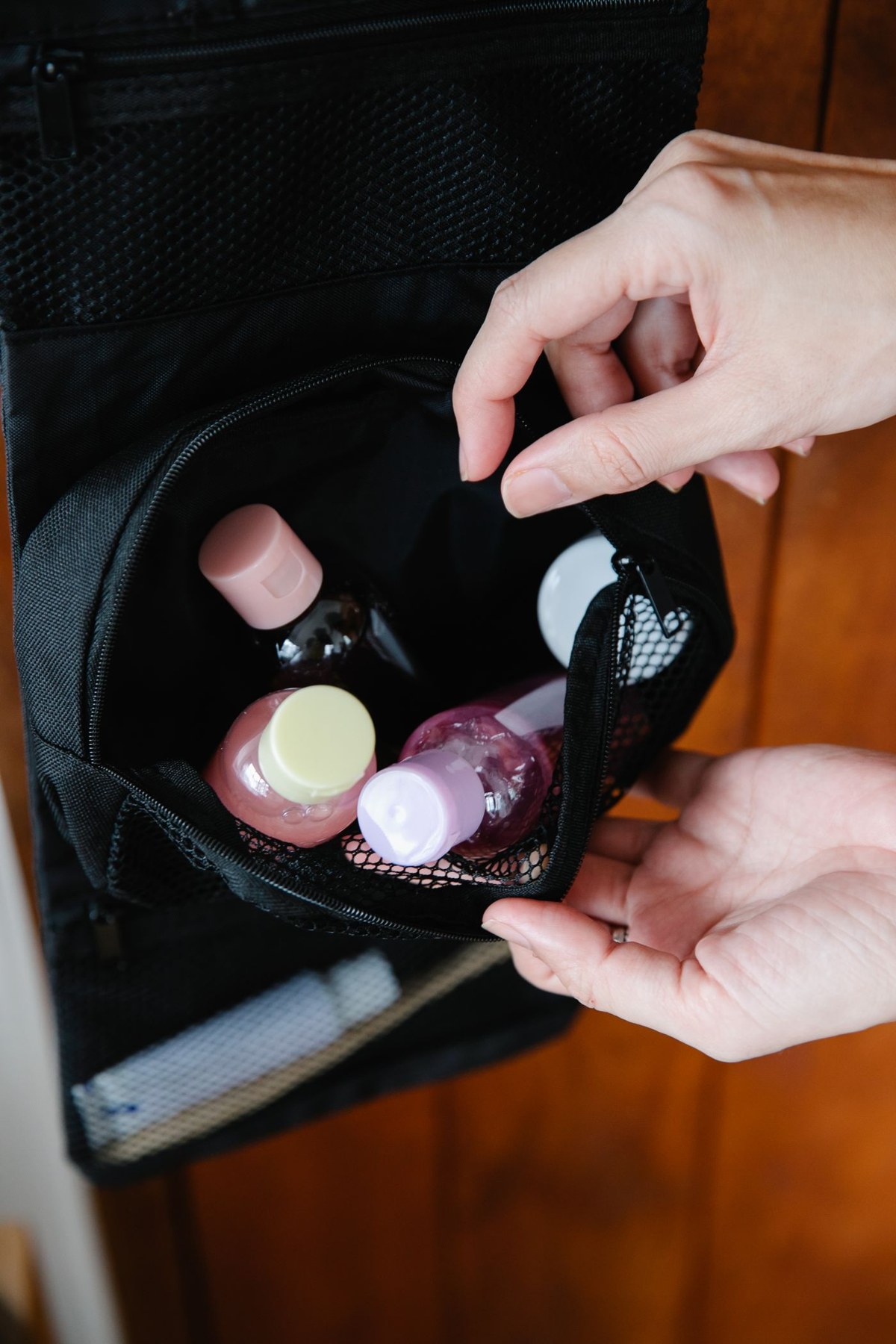
If you use reusable travel bottles, check whether the product manufacturer permits transfer and whether the container maker identifies compatible contents. Do not assume that a container suitable for shampoo will suit every oil, solvent-containing cosmetic or active treatment.
Prepare before packing day
Follow the container’s cleaning instructions and let it dry appropriately before filling. Inspect the cap, threads and any valve. A bottle with a persistent residue or damaged seal is not improved by adding a fresh product.
Fill only with the intended product and leave any space specified by the container instructions. Do not blend leftovers or dilute thick contents to make them fit through the opening. Close and check the container before placing it in a bag; a separate leak-resistant pouch can protect other belongings but does not fix an unsuitable cap.
Label the bottle with the full product name and keep a readable copy of the directions and ingredients. If several travellers use similar containers, identify whose product is whose. “Cream” is not enough information when one person packs an exfoliant and another packs a moisturiser.
Separate transport limits from product care
A flight-compliant bottle can still be incompatible with its contents or difficult to clean. Equally, a suitable original pack may exceed the current cabin limit. Treat these as two separate checks and consider checked luggage or a manufacturer’s travel size where appropriate.
On arrival, keep toiletries out of direct sun and away from unsuitable heat according to their directions. A transparent travel pouch is useful for organisation but is not a storage recommendation for every product. Unpack items that need different conditions instead of leaving the whole pouch on a sunny windowsill.
Manage what comes home
Do not automatically pour remaining contents back into the original bottle. The travel container has a different handling and storage history. Follow product guidance and use or dispose of the remainder appropriately rather than pooling it with a new supply.
Clean the emptied travel container according to its instructions, dry it and store it ready for the next trip. Keeping it capped while still wet defeats that preparation. Record when a toiletry was opened if the travel bottle would otherwise hide its age.
Airline liquid limits are a separate issue from product compatibility and can change by airport or route. Check the carrier and departure airport’s current rules before packing; meeting a size limit does not establish that the contents should be transferred.