Sunscreen labels: protection claims that matter
SPF, UVA coverage, water resistance and reapplication instructions answer different questions. Reading them together makes a sunscreen label useful.
Start with protection, not an ingredient popularity contest
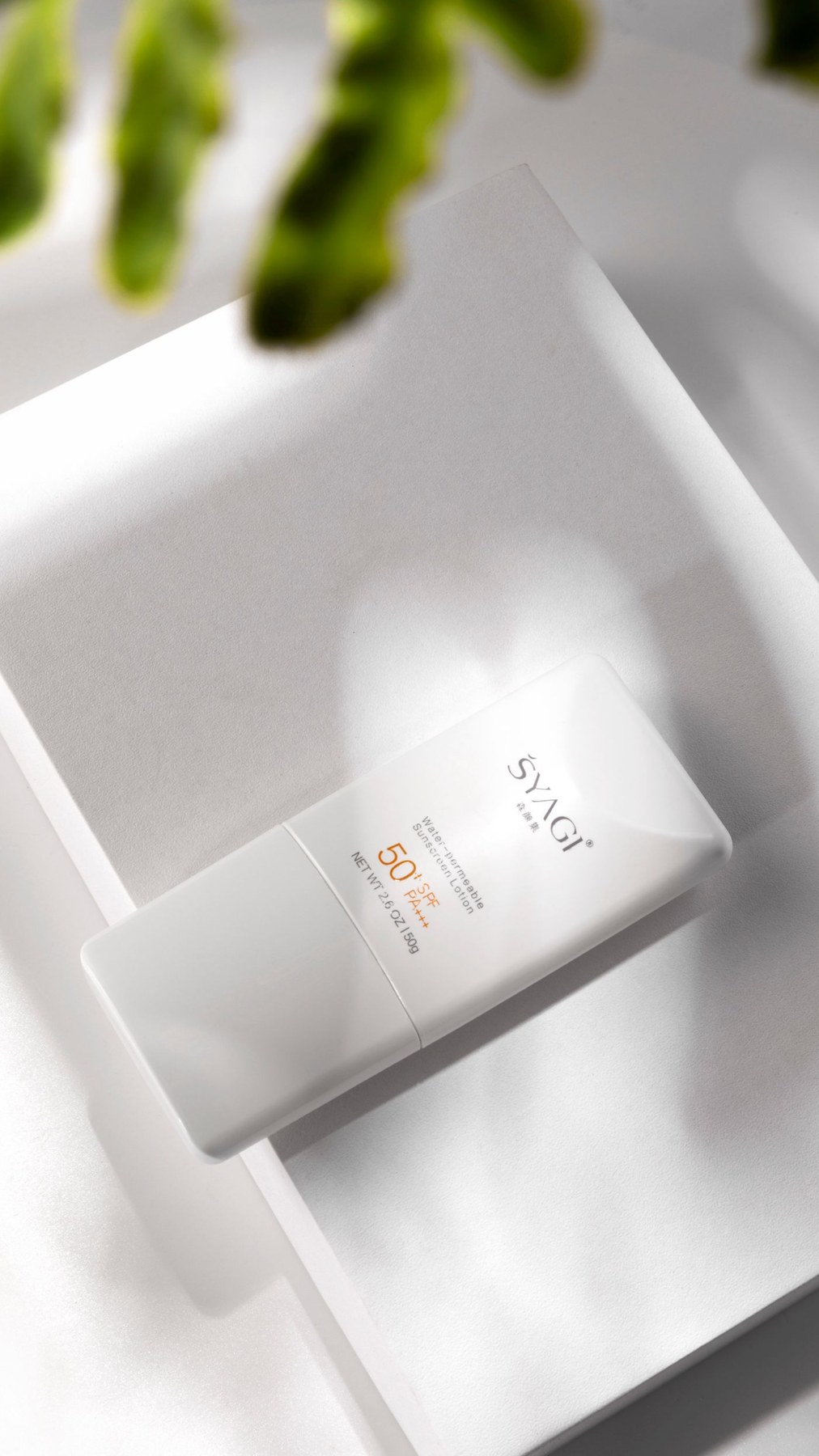
Choose a sunscreen with the protection claims recommended by the health guidance relevant to you and your location. In US labelling, broad spectrum describes protection across UVA and UVB, while SPF principally describes protection against sunburn. Neither means that sunlight exposure becomes unlimited.
For UK shopping, NHS guidance recommends at least SPF 30 and at least four-star UVA protection. Read those as complementary checks rather than choosing on SPF alone. The NHS page also explains the UVA circle symbol. Use the current guidance alongside the product’s application directions.
Sunscreen is one part of sun protection alongside clothing, shade and limiting intense exposure. A product that feels pleasant but is applied too sparingly or forgotten during the day may not deliver the protection represented by its tested claim. The label is a set of conditions for use, not a guarantee independent of behaviour.
Avoid selecting sunscreen solely because a post describes one filter as natural and another as chemical. The important shopping questions concern the finished product’s tested protection, directions, suitability for the user and whether you will apply it correctly.
Read water resistance literally
Water resistant does not mean waterproof or permanent. Read the stated duration and the reapplication instructions for swimming, sweating and towel drying. A larger SPF number does not cancel these directions. A day involving water calls for attention to both the protection claims and the practical opportunity to reapply.
The wording and presentation of UVA and water-resistance claims vary between markets. A US broad-spectrum label and a European UVA symbol are not identical graphics governed by one universal system. When buying abroad, read the local directions rather than assuming that a familiar-looking number tells the whole story.
Choose a format you can apply properly
Lotions, creams, sticks and sprays can make different application tasks easier or harder. Check whether the format is intended for the area you want to protect. A small stick may be convenient for a limited area but awkward for covering large areas evenly. A spray has instructions that should be read before use, including precautions concerning inhalation and the face.
Consider the pack size in relation to the number of users and days involved. A small travel bottle can run out sooner than expected when used as directed. Conversely, keeping several old partly used bottles can make dates and storage history difficult to track.
If a product stings or causes a rash, stop using it and seek advice about a suitable alternative while maintaining other sun-protection measures. Do not respond by abandoning sun protection or making a homemade substitute from oils.
Plan for a real day outdoors
Consider a trip involving a morning walk, lunch and an afternoon swim. The purchase needs to provide enough product, a format suitable for the exposed areas and directions you can follow between activities. A miniature bottle chosen only because it fits a pocket may be impractical for several people.
Think about where the product will be kept during the trip. The storage directions still apply in a beach bag or vehicle. Keep the label readable and avoid sharing an unlabelled decanted cream whose protection claims and expiry cannot be checked.
If you compare two products, write down broad-spectrum or UVA information, SPF, water-resistance wording, expiry and application instructions in separate fields. That makes it easier to see which information is missing. Do not combine them into a single score that implies extra water resistance can compensate for inadequate coverage or missed reapplication.
Check age and storage information
Read the expiry date where present and keep the product away from unsuitable heat. A bottle left in a vehicle all summer has a different storage history from one kept as directed indoors. Do not judge effectiveness from the fact that the cream still spreads.
For babies, people with a relevant skin condition or anyone taking medicines that may affect sun sensitivity, obtain appropriate professional advice. The same applies if you are uncertain how a prescribed skin treatment fits with sun protection. The label can guide ordinary use but cannot account for every individual circumstance.
Before buying, make sure you can read the complete current label. Marketplace photographs sometimes omit the directions panel. Ask for it rather than selecting from a cropped front image or a ranking that gives no explanation of the protection tests.