Removing makeup without unnecessary rubbing
A remover should match the makeup and the area involved so that removal does not become repeated scrubbing.
Match the remover to the makeup
Check whether the makeup is described as water resistant or long wearing and read any removal advice. A product that works for light face makeup may be unsuitable for a stubborn eye product. Conversely, you may not need a separate specialised remover for every product in a simple routine.
Read the remover’s intended area. Some products exclude use around the eyes. If it is designed for eye makeup, follow its directions on contact, wiping and rinsing rather than improvising with a body oil or household product.
Give the product its intended method
Some removers need shaking, some need dry skin and some are rinsed with water. Skipping those details can make the product seem ineffective and lead to extra rubbing. Use the stated amount and allow any instructed contact time without extending it arbitrarily.
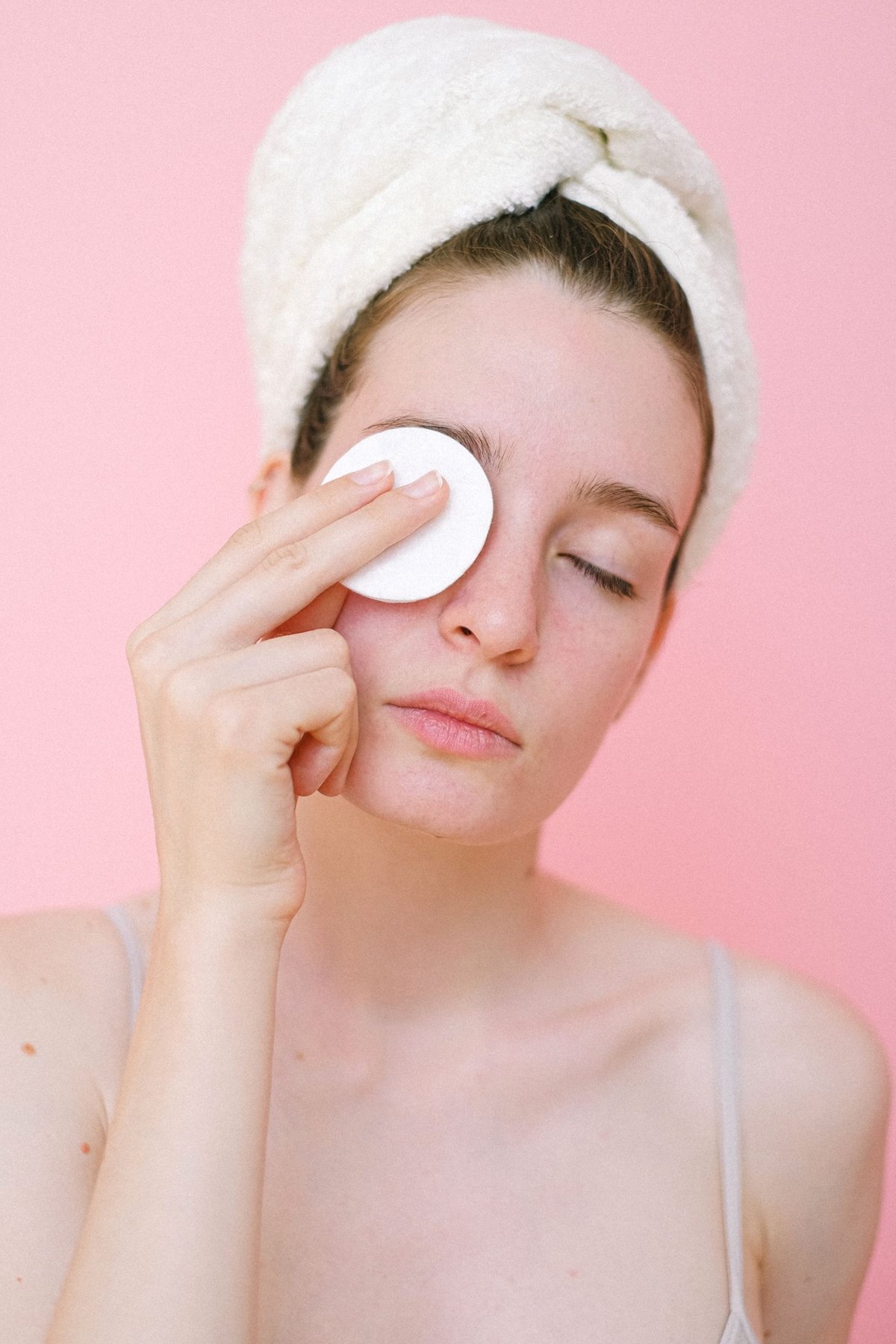
Use a clean suitable pad or cloth where the directions call for one. A rough edge, old mascara residue or a heavily textured fabric can make wiping less comfortable. If you use washable pads, maintain enough clean ones that a damp used pad is not repeatedly returned to the face.
Do not pull strongly at the skin to reach a remaining line of makeup. Stop and reconsider the method if removal is consistently difficult. Avoid working at the eye while distracted or in a moving vehicle.
Plan for the tools after removal
A washable pad is convenient only if there is a clean one available when you need it. Keep used pads separate from the clean supply and wash them according to their care instructions. A closed travel pouch containing damp pads needs attention on arrival, not just before the next trip.
Disposable pads and wipes avoid that laundry step but introduce a waste route and, for pre-moistened products, a pack that must stay closed. Compare these practical differences without claiming that either format is universally better for skin or the environment. The correct remover and gentle handling remain central in both cases.
Separate removal from a bigger routine
A product used to remove makeup may or may not replace a rinse-off facial cleanser; the directions should make that clear. More cleansing steps are not automatically an improvement. Consider the makeup you actually wear and how your skin feels rather than following a multi-step routine by default.
After removal, store reusable tools so that they can be cleaned and dried. Close the remover promptly and avoid dipping a used pad back into a shared container. Keep its label if the bottle is small enough to become separated from its carton.
If you experience burning, swelling or persistent irritation, discontinue the suspected product and seek suitable advice. Record both the makeup and the remover, since a reaction cannot be assigned to one just by the timing of removal. For eye pain or changes in vision, seek prompt medical care rather than trying further cosmetics.