Choosing a shampoo around your scalp and routine
Shampoo choices are easier when scalp cleansing and the needs of the hair lengths are considered separately.
Begin at the scalp
Think about when your scalp feels oily or dirty and what you use between washes. Dry shampoo, styling products, swimming and exercise can change the job your next wash needs to do. A fixed schedule copied from someone with different hair is not necessarily useful.
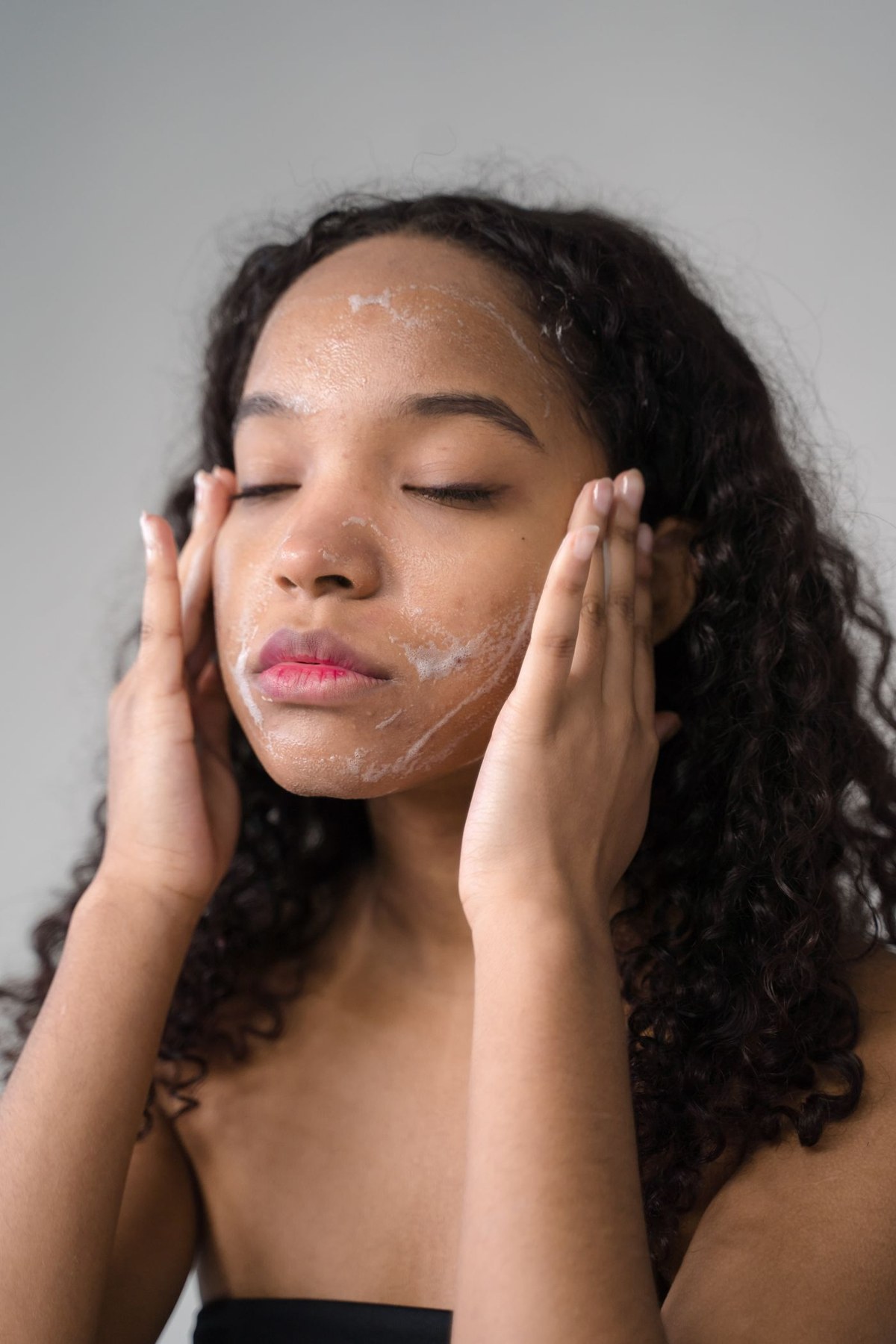
The American Academy of Dermatology recommends applying shampoo mainly to the scalp and choosing a washing pattern suited to the hair. This does not mean scrubbing harder or repeatedly washing until the hair squeaks. Work gently and rinse according to the product instructions.
Read the product’s purpose
A general cosmetic shampoo is different from a product intended to treat a scalp condition. If you are buying a medicated shampoo, its directions, frequency and contact time matter. Do not borrow the method from an ordinary daily shampoo, and ask a pharmacist if you are uncertain about combining products.
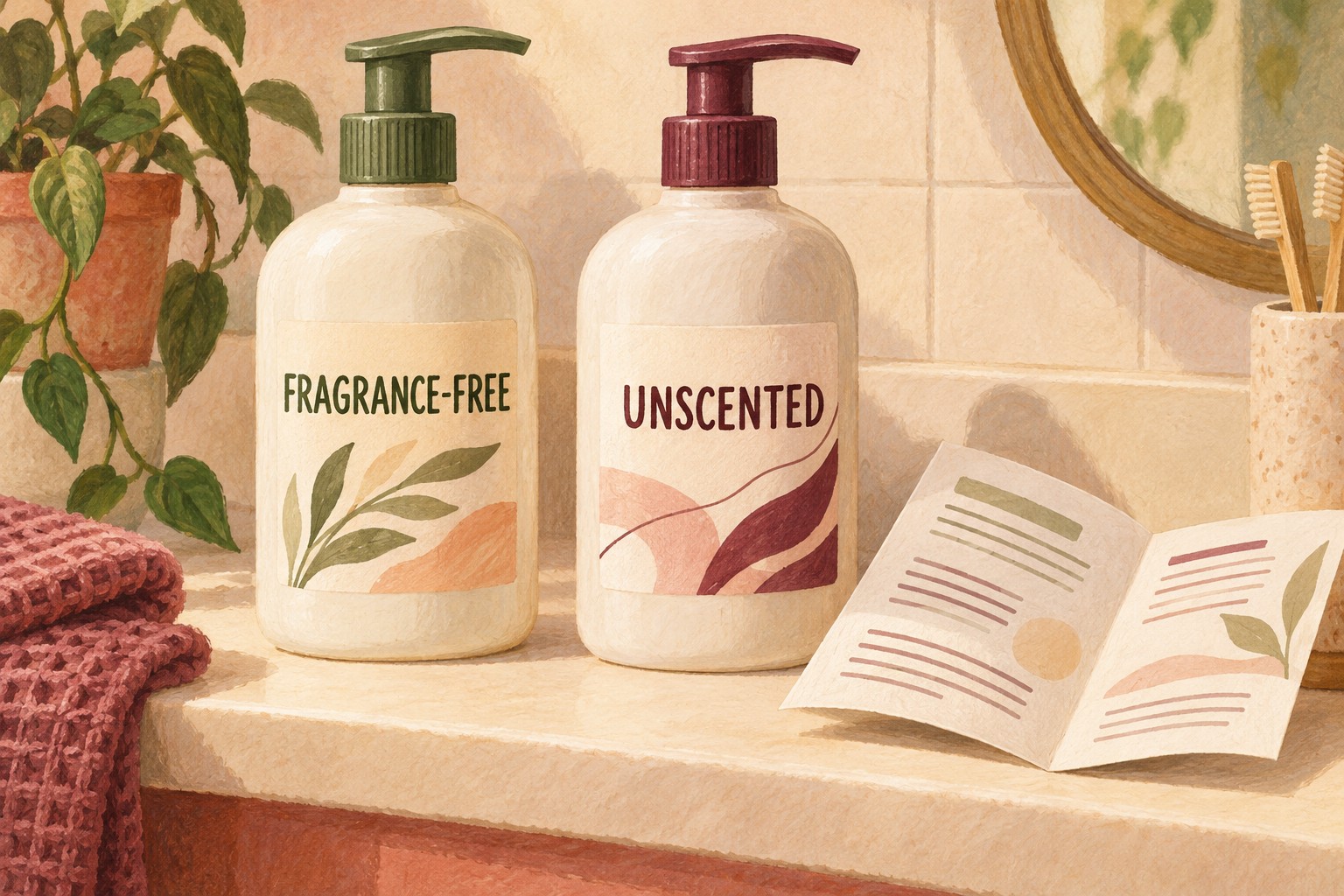
For a regular shampoo, compare the intended hair type, fragrance information, dispensing method and any specific warnings. “Sulphate-free” is a statement about formulation, not a complete prediction of scalp comfort or washing performance. Equally, a rich lather does not prove that the hair needed another application.
If your main concern is tangling or dry ends, buying a more expensive shampoo may not address the entire routine. Conditioner placement, detangling and drying technique deserve attention as separate decisions.
A small comparison you can repeat
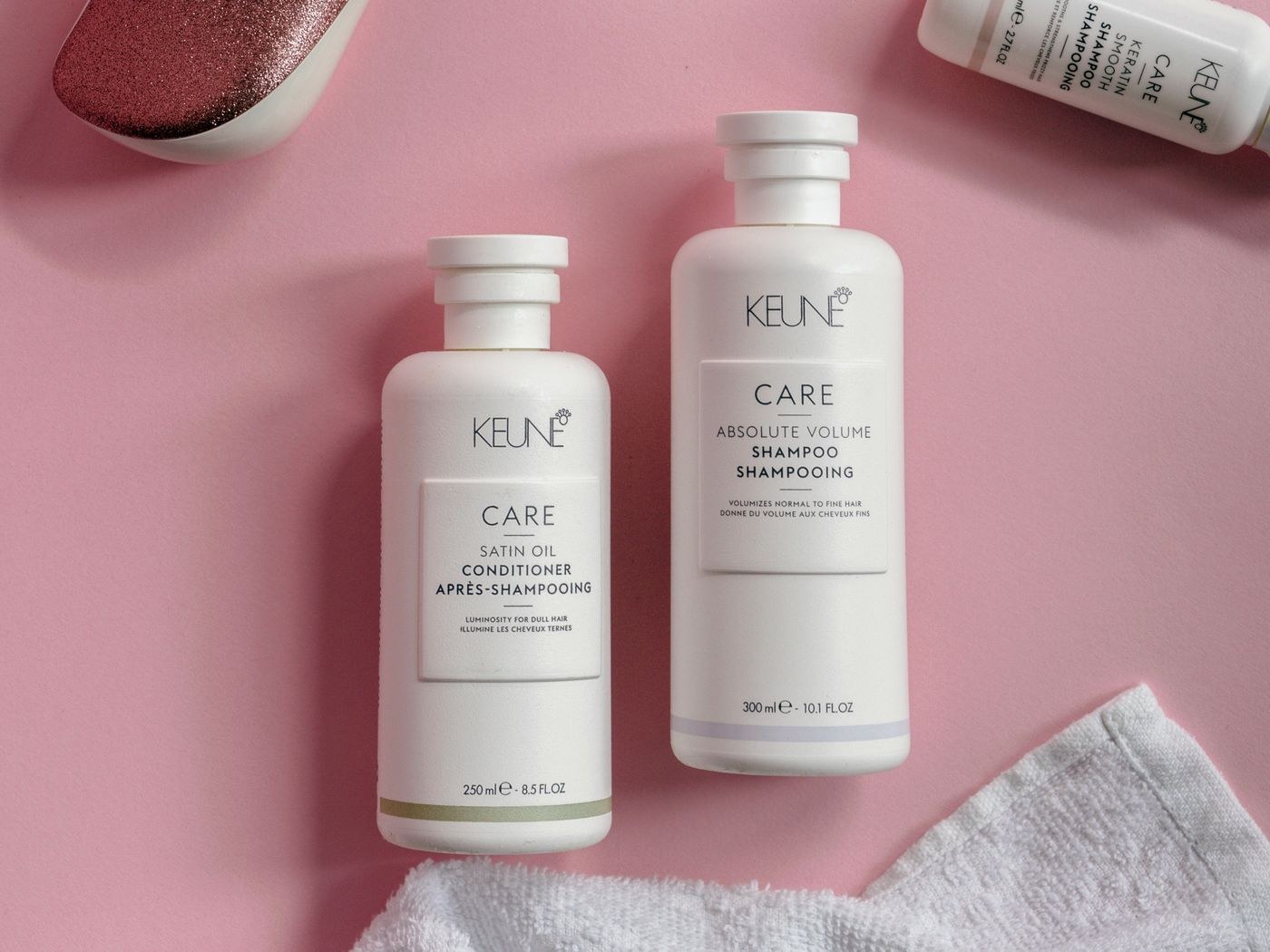
For two ordinary shampoos, note the stated hair type, washing method, fragrance information and pack size. Then consider one normal wash cycle rather than judging solely from the first lather. Did the product rinse readily? Was the bottle easy to control? Did you need to change the conditioner amount to manage the lengths?
Keep those observations separate from scalp symptoms. A pleasant texture or scent does not explain ongoing flaking, and an uncomfortable scalp is not evidence that every product in a broad ingredient category is unsuitable. If you seek advice, bring the actual product names and washing frequency. That gives the discussion more substance than saying you have tried natural shampoos and ordinary shampoos.
Keep treatment claims distinct
A shampoo marketed to improve the appearance or feel of hair is not automatically a treatment for a diagnosed scalp disorder. If a product promises a medical outcome, check the relevant authorised use in your market and ask a pharmacist when uncertain. Cosmetic advertising and medicine directions should not be blended into one informal routine.
Test a realistic routine
Choose a size that lets you use the product several times without committing to a large refill. Keep a note of how readily it spreads, rinses and fits your wash frequency. If you change your conditioner, styling products and shampoo simultaneously, you lose a useful opportunity to understand which change made the difference.
Consider the bottle as well. A heavy pump can be convenient on a stable shelf but awkward in a swimming bag. A small cap may be difficult to operate with wet hands. These details affect whether you use the intended amount and keep water out of the pack.
Persistent itching, sores, marked flaking or unexpected hair loss should not be treated as an endless shopping problem. Seek professional advice about the cause. Product labels can help you describe what you have used, but they cannot diagnose the condition of your scalp.