Building a shorter personal-care shopping list
A shorter shopping list starts with the jobs your products perform. It does not require discarding useful items or reducing every formula to a few ingredients.
Inventory what is already open
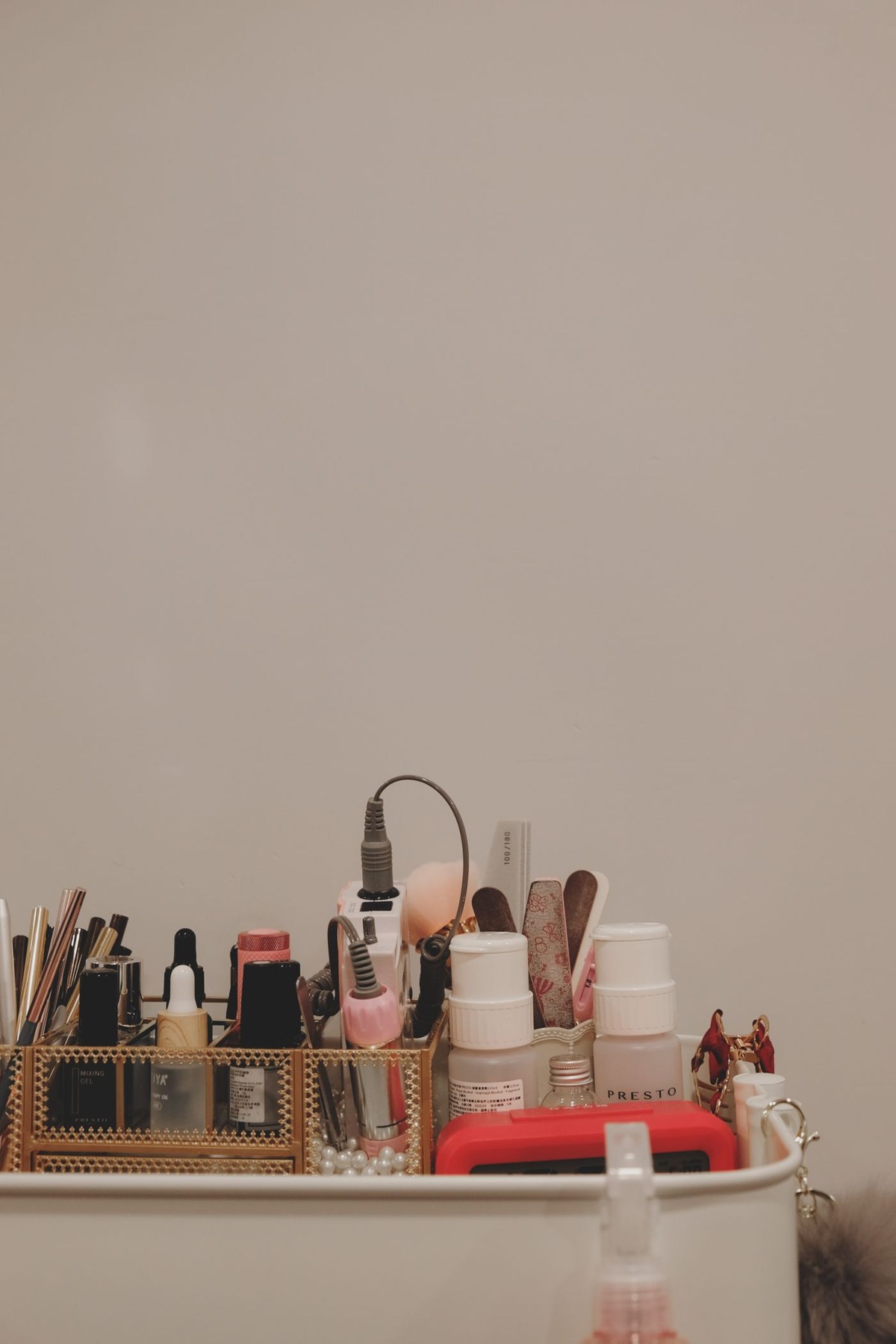
Gather products from the bathroom, bags and spare cupboard. Note the full name, purpose, approximate amount remaining and opening date where known. Separate products you use regularly from unopened reserves and items that have become unsuitable.
Do not decide solely from the quantity left. A nearly full product that caused irritation is not a good candidate to keep using, while a well-used product within its intended life may still serve its purpose. Dispose of unsuitable products and packaging through appropriate local routes.
Map jobs rather than advertising categories
List the tasks you actually need: washing hands, cleansing the face, washing hair, conditioning, moisturising and sun protection where relevant. Then map your products to those tasks. You may find three products performing the same optional step while an everyday item is nearly empty.
A product with several intended uses can simplify a routine, but only if its directions cover those uses and it suits the people involved. Do not turn a household cleaner into hand soap or a rinse-off product into a leave-on treatment to make the list shorter. Prescribed treatments should remain part of the plan agreed with your clinician.
If different household members have different requirements, a shorter list does not mean forcing everyone to share. One clearly labelled product for each person can be more manageable than several supposedly universal products that nobody likes.
A sample cupboard decision
Suppose you have two open body lotions, an unopened refill and a new product recommended in an advertisement. First check whether either open lotion has become unsuitable or caused discomfort. If both remain suitable and serve the same job, you may not need to open the refill or buy the advertised product yet.
Now suppose one lotion is used by a family member with a specific ingredient requirement. That is a reason to keep the separate product, not a failure of the shorter-list idea. The number of users and their needs should shape the list.
The same logic can apply to shampoo, hand wash and makeup removers. Remove duplicate functions only where doing so preserves a workable routine. A purchase pause is often more useful than throwing away suitable products and immediately replacing them with a coordinated new range.
Keep experiments outside the reserve supply
When trying a new product, buy a manageable amount and leave the regular reserve unopened. If the new product suits you, change the next planned purchase rather than stockpiling both. If it does not, record the reason so that the next advertisement does not restart the same unsuccessful experiment.
Create a replacement trigger
For each regular item, decide when to buy the next one: for example, when a single reserve is opened rather than whenever a promotion appears. This reduces duplicate purchases without relying on a rigid rule about how many products a person should own.
Keep a note of the full product name and a current label photograph. If a formula changes, check it against any specific requirements. A familiar bottle colour is not enough to establish that the contents remain identical.
Review the list after ordinary use, not after a dramatic cupboard clear-out. Which items were finished, which were repeatedly ignored and which created extra maintenance? Use those observations to change the next purchase. The result should be a routine you understand, with fewer forgotten products, rather than a new set of rules about purity.