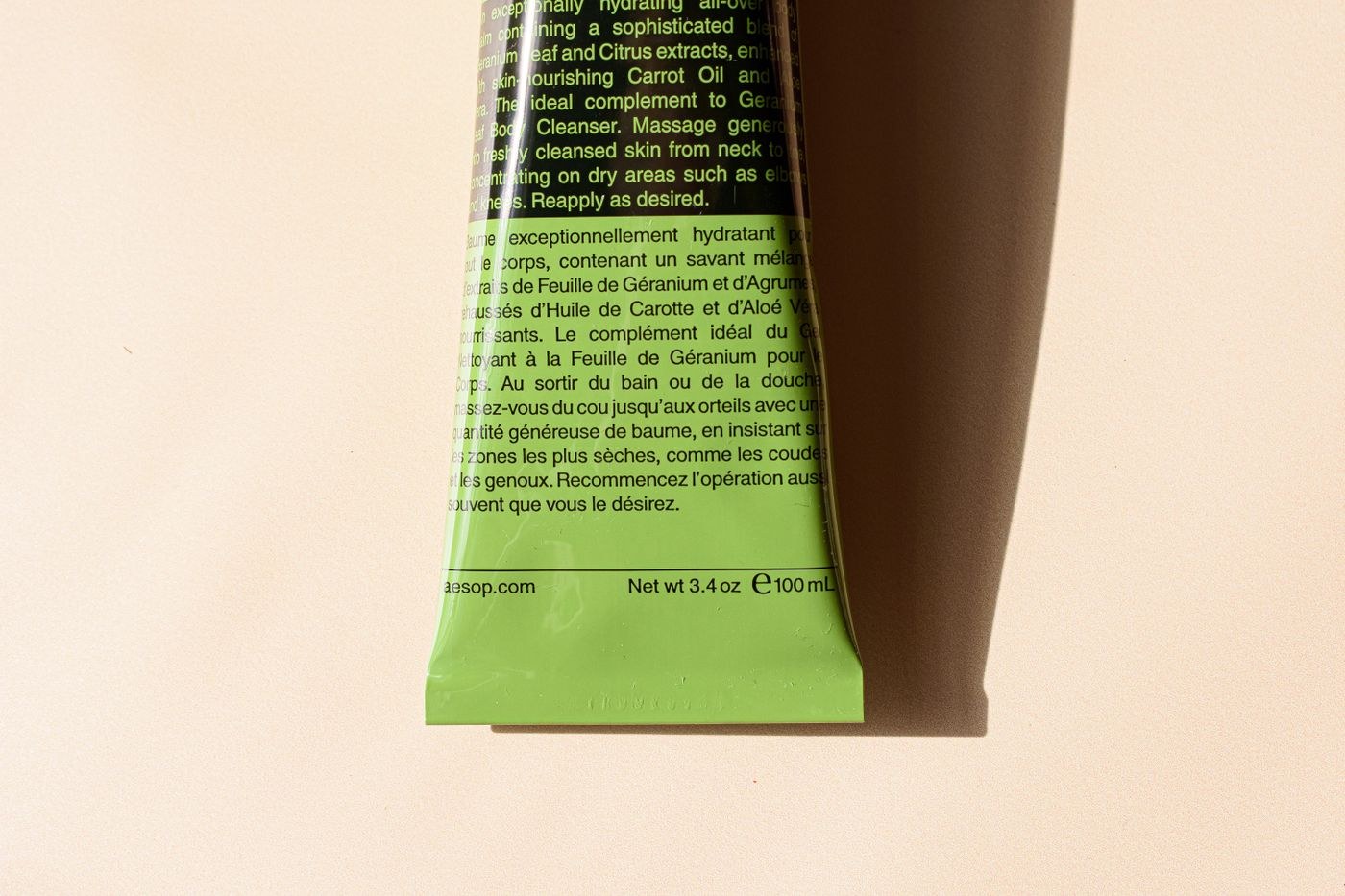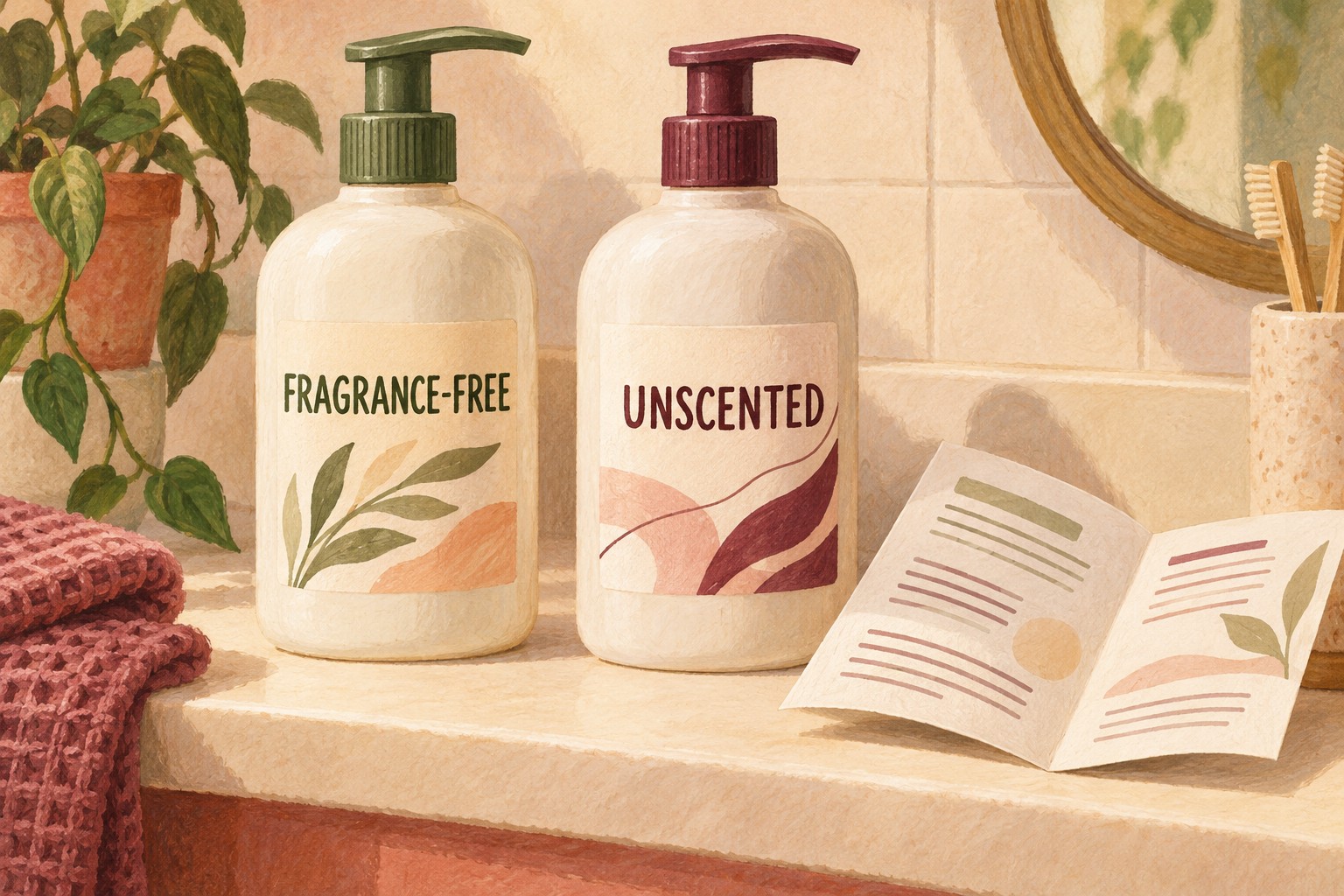
A moisturiser label: ingredients, directions and packaging
The best information on a moisturiser may be spread across its carton, container and directions rather than grouped in one attractive claim.
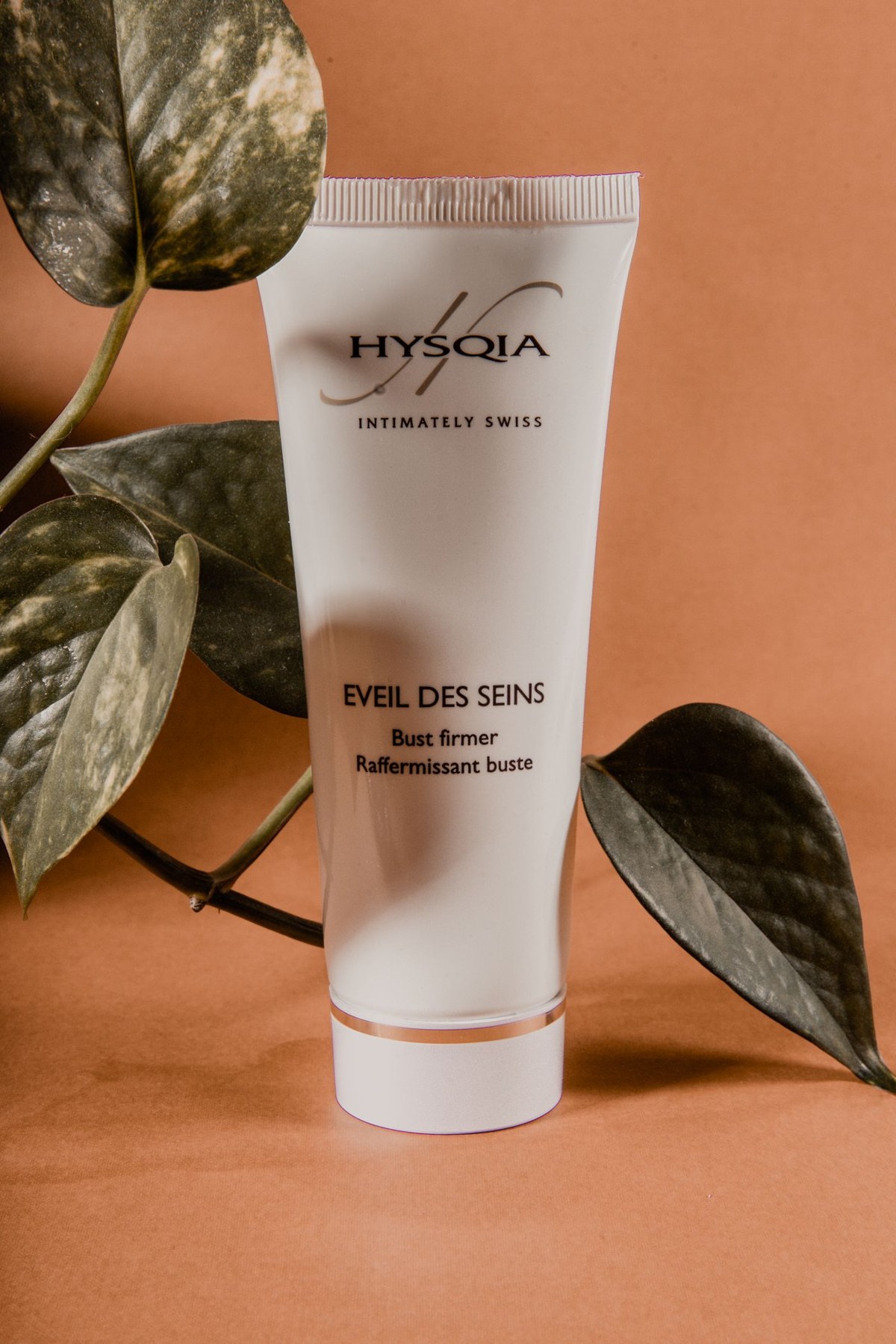
Read it in three passes
First identify the intended area and purpose. A hand cream, facial moisturiser and body lotion may be sold in similar tubes, but the recommended use can differ. Check whether the product includes a sunscreen claim or a medicine claim, because that introduces directions beyond ordinary cosmetic moisturising.
Next read the ingredient declaration for any specific substances you already know you need to avoid. Finally, check the instructions, storage information and opening symbol or expiry date. This order prevents a fashionable highlighted ingredient from becoming the only thing you notice.
Understand what the list cannot show
Ingredients can contribute different jobs, including helping the formula retain water, spread, remain mixed or resist microbial contamination. The label does not usually give enough information to calculate the finished product’s performance. A high position for an ingredient is not a substitute for evidence about the complete formula.
Avoid comparing two creams as if the number of plant extracts were a score. A product can be useful without a long list of botanical additions. Conversely, an unfamiliar name does not establish a problem. If you have a diagnosed allergy, the relevant check is whether that ingredient is present, not whether the packaging looks simple.
Consider the container in your routine
A pump may be convenient at a sink, while a small tube travels easily. A jar allows access to a thicker product but needs careful handling. Think about where the product will live, whether you can close it with slippery hands and whether the opening is protected from splashes.
Do not choose a large jar simply because the price per gram is lower. If you use only a little and keep several products open, you may not finish it within the recommended period. Make a note of opening dates rather than judging age from how much is left.
Compare two plausible options
Imagine a 50-millilitre facial moisturiser in a pump and a 200-millilitre cream in a jar. The larger product may cost less per millilitre, but that does not settle the choice. Check whether both are intended for the area, whether you can use the larger amount in time and whether either includes a separate sunscreen or treatment claim.
Now consider where each will be used. A stable pump at a dressing table may be convenient; the same tall bottle may not fit a shallow travel bag. A jar could suit a thicker product used at home but add a handling step you dislike. None of these observations requires declaring one package sterile or the other unhygienic.
Write down the two or three features that would actually change your purchase. Perhaps they are an ingredient-specific requirement, easy one-handed dispensing and a modest quantity. Once those are satisfied, you do not need to invent a chemical ranking to justify preferring one texture or price.
When a front label promises several effects
Separate ordinary moisturising from claims about treating a condition or providing sun protection. Ask which directions belong to each effect and whether the claim changes how the product must be used. A moisturiser with an SPF claim should not be assumed to provide the labelled protection when applied in an arbitrarily tiny amount.
Ask a narrow question
When information is missing online, ask the seller for the current full label, not just a list of key ingredients. If you are unsure about use alongside a prescribed treatment, a pharmacist or clinician is better placed to advise than a marketing description. Once you find a product that fits your routine, keep a photograph of the label so that later purchases can be checked for changes.